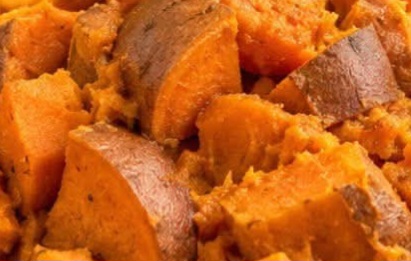
Are you over 60 and feeling like your strength and energy just aren’t what they used to be? You’re not alone. Many seniors experience a natural decline in muscle mass, a condition known as sarcopenia, which can lead to low energy, weakness, and fatigue. But what if the secret to reclaiming your vitality, boosting your strength, and feeling more energetic than you have in years wasn’t in a fancy supplement, but in the everyday foods you eat?This article is your guide to understanding how powerful whole foods can be in supporting muscle strength and overall well-being after 60. Forget the expensive powders and complicated regimens; we’re focusing on six powerhouse foods that are not only delicious and affordable but also packed with the nutrients your body needs to build and repair muscle, improve mobility, and enhance your quality of life. Get ready to discover how simple dietary changes can make a profound difference in your strength and vitality.We’ll dive into the science behind age-related muscle loss and why nutrition plays such a critical role. Then, we’ll introduce you to the “magnificent six” foods, complete with practical serving suggestions and tips tailored for seniors. Prepare to nourish your body from the inside out and embark on a journey to a stronger, more energetic you!Nutritional InformationPer serving (approximate values for a meal incorporating a few of these foods, e.g., salmon, sweet potato, lentils, and a serving of Greek yogurt):Calories: 550-700Protein: 40-55gCarbohydrates: 60-80gFat: 15-25gFiber: 10-15gSodium: 300-600mgIngredientsWhile this article focuses on categories of food rather than one single recipe, here’s a list of the core ingredients discussed, with suggested quantities for individual servings:1 medium Sweet Potato (approx. 5-6 oz / 150-170g)2 large Eggs1 cup (240g) Plain Greek Yogurt (full-fat or 2%)½ cup (100g) Dry Lentils (yields about 1 cup cooked)½ cup (40g) Dry Rolled Oats4-5 oz (113-140g) Salmon FilletOptional additions for serving suggestions:1 tablespoon Olive OilSalt and Black Pepper to tasteFresh or frozen Berries (½ cup)Cinnamon (¼ teaspoon)Mixed Vegetables (e.g., spinach, bell peppers, onions) for omelets or sidesBroth or water for cooking lentils/oatsFresh Herbs (e.g., dill, parsley) for salmon
Search Results for: 6 Best Foods to Support Muscle Strength After 60: What Seniors Should Eat