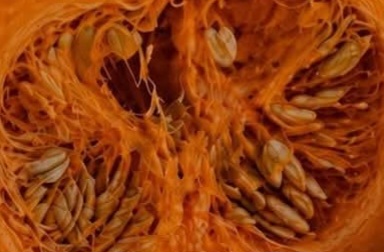
Sometimes, healthy choices don’t need to come in expensive bottles or complicated formulas. Simple whole foods can provide a wide range of nutrients that support the body’s normal functions.Pumpkin is a great example. Naturally rich in water, fiber, carotenoids, potassium, and other nutrients, pumpkin can be a valuable addition to a balanced diet.Although pumpkin is sometimes promoted online as a “natural medicine” for diabetes, high cholesterol, or blocked arteries, it is important to be realistic: pumpkin cannot cure these conditions or literally clean clogged arteries. However, replacing highly processed foods with nutrient-rich vegetables such as pumpkin can contribute to an overall heart-healthy eating pattern.In this article, you’ll discover the nutritional benefits of pumpkin, how it may support your health, and a simple pumpkin drink you can make at home.🎃 20 Potential Health Benefits of Pumpkin1. Supports Healthy Blood Sugar ManagementPumpkin contains fiber, which can slow digestion and help moderate the absorption of carbohydrates when eaten as part of a balanced meal.However, pumpkin still contains carbohydrates, so people with diabetes should consider portion size and their overall diet.2. Helps Promote SatietyPumpkin has a high water content and provides fiber, making it a relatively filling food for its calorie content.3. Supports Healthy Cholesterol LevelsDietary fiber can contribute to maintaining healthy cholesterol levels by supporting normal digestive processes.4. Supports Cardiovascular HealthPumpkin provides antioxidants and potassium, nutrients that can contribute to a heart-healthy diet.5. Provides PotassiumPotassium plays an important role in normal muscle function, nerve signaling, and fluid balance. Adequate potassium intake is also associated with maintaining healthy blood pressure.6. Supports Red Blood Cell FormationPumpkin provides small amounts of iron and other nutrients involved in normal blood formation. However, pumpkin alone should not be considered a treatment for iron-deficiency anemia.7. Supports Normal Immune FunctionPumpkin is particularly rich in beta-carotene, which the body can convert into vitamin A. Vitamin A plays an important role in normal immune function.8. Promotes Digestive HealthThe fiber found in pumpkin can support regular bowel movements and contribute to a healthy digestive system.9. Provides AntioxidantsPumpkin contains carotenoids and other antioxidant compounds that help protect cells from oxidative stress.10. Supports Normal Inflammatory BalanceA diet rich in vegetables and antioxidant-containing foods may support the body’s normal inflammatory response.11. Supports Healthy SkinBeta-carotene and other nutrients found in pumpkin contribute to normal skin health.12. May Support Weight ManagementPumpkin is relatively low in calories while providing water and fiber, making it useful in meals designed around healthy weight management.13. Supports Eye HealthPumpkin’s beta-carotene contributes to vitamin A production, and vitamin A is essential for normal vision.14. Supports Normal Fluid BalanceIts potassium content contributes to normal fluid and electrolyte balance.15. Provides Slow-Digesting NutritionWhen eaten as whole cooked pumpkin rather than heavily sweetened pumpkin products, its fiber content can make it a nutritious carbohydrate choice.16. Provides Important MicronutrientsPumpkin contributes vitamins and minerals including potassium, magnesium, vitamin C, and vitamin A precursors.17. Supports Normal Muscle FunctionPotassium and magnesium are involved in normal muscle and nerve function.18. Supports Gut HealthPumpkin’s dietary fiber can provide nourishment for beneficial gut bacteria and contribute to digestive health.19. Naturally Low in CaloriesPumpkin can add volume, flavor, and nutrients to meals without adding large amounts of calories.20. Easy to Add to a Healthy DietPumpkin can be steamed, roasted, blended into soups, added to oatmeal, or incorporated into smoothies and other recipes.🌿 Pumpkin’s Key Nutritional PropertiesPumpkin is particularly interesting because it provides:Dietary fiberBeta-caroteneVitamin CPotassiumMagnesiumWaterCarotenoid antioxidantsRelatively few caloriesThe exact nutritional profile varies depending on the pumpkin variety and how it is prepared.🥤 Easy Pumpkin Drink RecipeInstead of treating this beverage as a cure for diabetes or cardiovascular disease, think of it as a convenient way to incorporate pumpkin into a balanced diet.Ingredients1 cup cooked pumpkin1 cup waterA small pinch of cinnamon1 teaspoon ground pumpkin seedsJuice of ½ lemon, optionalPreparationSteam or boil the pumpkin until soft.Add the cooked pumpkin and water to a blender.Add the cinnamon and ground pumpkin seeds.Blend until smooth.Add the lemon juice at the end if desired.Serve immediately.A Better Way to Include ItYou don’t necessarily need to drink pumpkin on an empty stomach. It can be consumed as part of breakfast, a snack, or alongside a balanced meal.If you’re managing blood sugar, avoid adding sugar, syrups, or large amounts of honey.🎃 Pumpkin Seeds: Another Nutrient-Rich OptionDon’t forget about the seeds.Pumpkin seeds provide:MagnesiumZincProteinHealthy fatsFiberA small serving of unsalted pumpkin seeds can make a nutritious addition to yogurt, oatmeal, salads, or smoothies.⚠️ Important ConsiderationsPumpkin is generally a nutritious food, but it should not be presented as a replacement for medical treatment.If you have:DiabetesHigh blood pressureHigh cholesterolKidney diseaseCardiovascular diseasecontinue following your healthcare professional’s recommendations and prescribed medications.Also remember that no food can “clean out” or remove plaque from blocked arteries. Cardiovascular health depends on many factors, including diet, physical activity, blood pressure, cholesterol, smoking status, sleep, genetics, and appropriate medical care.Frequently Asked QuestionsCan pumpkin lower blood sugar instantly?No. Pumpkin does not produce an instant drop in blood glucose. Its fiber and overall nutritional profile can fit into a healthy diet, but people with diabetes should monitor their blood sugar and follow their treatment plan.Does pumpkin clean the arteries?No food can literally clean clogged arteries. However, replacing highly processed foods with vegetables, whole grains, legumes, nuts, seeds, and other nutrient-rich foods can support cardiovascular health.Is pumpkin good for weight management?It can be. Pumpkin is relatively low in calories and contains water and fiber, which can contribute to fullness.Can I eat pumpkin every day?For most people, pumpkin can be included regularly as part of a varied diet. Variety is still important because different fruits and vegetables provide different nutrients.Final ThoughtsPumpkin is much more than a seasonal ingredient. Its combination of fiber, beta-carotene, potassium, antioxidants, and other nutrients makes it a valuable food for a balanced eating pattern.Rather than thinking of pumpkin as a miracle remedy for blood sugar, cholesterol, or clogged arteries, consider it a simple, affordable food that can support overall health when combined with healthy lifestyle habits. Small dietary changes, made consistently, can become an important part of long-term wellness. 🎃🌿
Pumpkin: A Nutrient-Rich Food That May Support Blood Sugar, Heart Health, and Circulation