
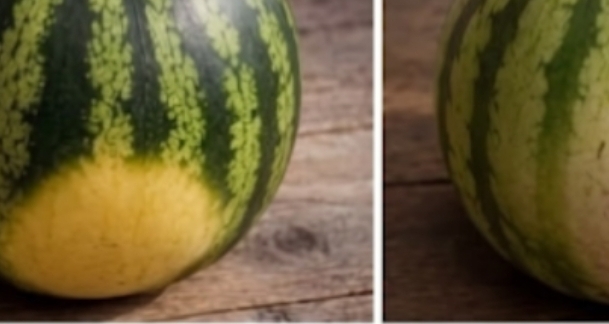
There is a special kind of anticipation that comes with slicing into a ripe, juicy watermelon on a warm summer afternoon. However, selecting the right fruit at the market can often feel like a game of chance. From the outside, several melons might appear nearly identical, yet one could be perfectly sweet while another remains bland or underripe. Fortunately, you do not need to cut open every fruit to improve your odds. By observing a few specific details on the exterior, you can confidently choose a melon that is ready to be enjoyed.
The most reliable visual indicator of a ripe watermelon is the ground spot, which is the area where the fruit rested on the soil as it grew. You should look for a creamy yellow or golden yellow patch, as this signifies that the melon remained on the vine long enough to reach full maturity. Conversely, a white or pale green spot suggests it was harvested prematurely. Alongside the ground spot, examine the rind and its pattern. A high quality watermelon will feature a deep, rich green color with clear, distinct stripes. The surface should have a dull finish rather than a glossy shine, since a shiny rind typically points to an underripe fruit. Faded colors or blurry stripes are also signs to avoid.
The physical form of the fruit offers further clues about its quality….
The physical form of the fruit offers further clues about its quality. Seek out a melon that is symmetrical and evenly shaped. While watermelons come in various forms, an oval or oblong shape is often preferred, as perfectly round melons can sometimes be less mature. You should steer clear of any fruit that appears irregular or lumpy. Once you have found a symmetrical candidate, pick it up to assess its weight. A truly ripe watermelon will feel surprisingly heavy and dense for its size, which indicates that it is packed with refreshing water and juice. If a melon feels lighter than you would expect, it is best to leave it behind.
Two final checks can help confirm your selection. First, examine the stem end of the watermelon. A dried, brown stem is an excellent sign that the fruit was allowed to ripen completely on the vine. If the stem still looks green and fresh, the melon was likely picked too early. Finally, you can perform the classic thump test. While it requires a bit of practice, tapping the melon with your knuckles should produce a deep, hollow sound. A sharp or flat thud usually means the fruit is not yet ready.
When you bring all these observations together at the market, the process becomes much simpler. Look for that creamy yellow spot, a dull and deeply striped rind, a symmetrical shape, and a satisfyingly heavy feel. Confirm your choice with a brown stem and a resonant hollow sound. Selecting the perfect watermelon is a blend of learned skill and natural intuition. With a little practice, you will develop a keen eye for these signs, and the reward of a sweet, perfectly ripe summer treat will always be worth the effort.