
ADVERTISEMENT
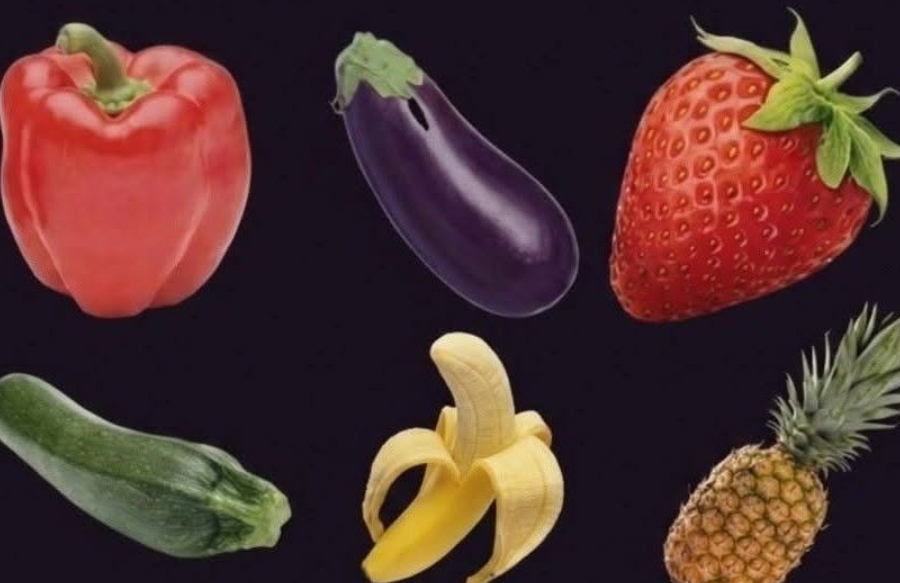
only to find out you were completely wrong? The image above is a perfect example. It shows nine different items we see in the kitchen every day and asks a simple question: “How many fruits are in this Post?”
At first glance, most people would count the strawberry, banana, pineapple, mango, and orange, and confidently answer “Five!” They might look at the bell pepper, eggplant, zucchini, and tomato and think, “Those are definitely vegetables because we use them in savory cooking.”
However, the real answer is much more surprising. There are actually nine fruits in this picture! Yes, every single item shown is scientifically a fruit.
If this blows your mind, don’t worry. You are not alone. Let’s dive into the fascinating world of botany to understand why our kitchens and science labs don’t always agree.
ADVERTISEMENT
What Exactly is a Fruit? (Science vs. Kitchen)
To understand why all nine items are fruits, we first need to look at how scientists (botanists) define a fruit versus how chefs define it.
The Botanical Definition: In science, a fruit is the seed-bearing structure that develops from the ovary of a flowering plant after it blooms. In simple terms, if it comes from a flower and has seeds inside it (or on it), it is legally a fruit in the scientific world.
The Culinary Definition: In the kitchen, we categorize food based on taste and texture. If it is sweet, juicy, and eaten as a dessert or snack, we call it a fruit.
If it is savory, earthy, and cooked in main dishes, we call it a vegetable.
Because of this difference, many botanical fruits are treated as vegetables when we cook.
The “Impostor” Vegetables: The 4 Big Surprises
Let’s look closely at the four items in the picture that usually trick people into thinking they are vegetables.
1. The Red Bell Pepper
Peppers come in green, yellow, orange, and red. We chop them up for stir-fries, salads, and pizzas. However, when you cut open a bell pepper, what do you see?
A hollow center filled with small white seeds. Because it grows from a flower and contains seeds, the bell pepper is 100% a fruit.