
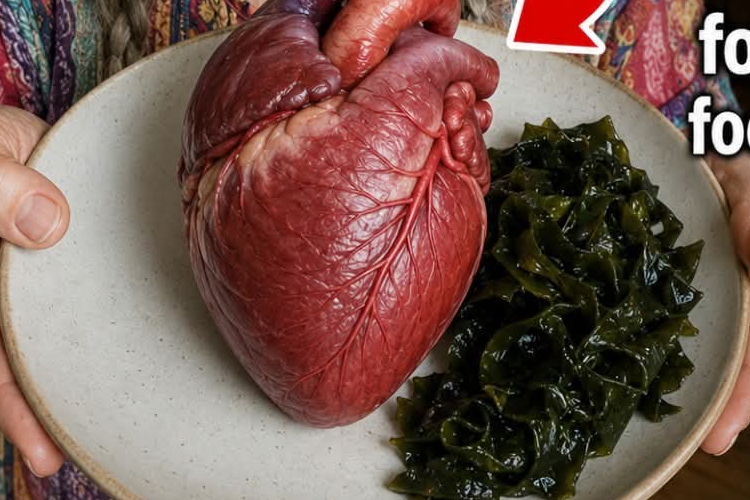
Japan’s oldest doctors aren’t talking about magic. They’re talking about tofu, natto, deep-sea fish, leafy greens, seaweed, sweet potatoes, and green tea — the exact foods that hit the brakes on the kind of decline that starts showing up as stiff joints, foggy mornings, swollen feet, and a heart that feels like it’s working uphill.
That’s the real promise hiding in that Facebook post: not “live forever,” but quietly reversing years of daily decline by feeding the organs that get hammered hardest after 60. The heart. The brain. The blood vessels. The gut. The whole system that starts whining the moment breakfast becomes a sugar bomb and dinner becomes salt-heavy comfort food.
By evening, the legs feel heavy. By morning, the face looks puffy. And in the middle of the night, the body wakes you up with the same message it’s been sending for years: something inside is running on fumes.
The food industry loves to sell convenience. The aging body pays the bill.
What gets buried is that the body already knows how to repair itself when you feed it the right raw biological fuel. The problem is, most people spend decades starving the machinery, then act shocked when the engine starts knocking.
The Japanese reset your body was never taught
Think of aging like a house with clogged pipes, a smoky furnace, and a battery that never fully charges. The right foods don’t “fix” everything at once — they start clearing the gunk, cooling the pressure, and giving tired tissue the materials it needs to come back online.
That’s why this works so differently from the usual “eat less, move more” lecture. These foods don’t just fill you up. They trigger a mineral surge, a protein repair wave, and a fire-smothering response that changes what your body is able to do with every meal.
Tofu and natto bring in clean plant protein that doesn’t slam the digestive system. For an older body, that matters. When digestion gets sluggish, every meal can feel like tossing bricks into a tired furnace instead of feeding it dry wood that actually burns.
And natto? That sticky, stringy, fermented tangle is a biological oddball for a reason. It hits the gut like a maintenance crew arriving before sunrise, helping the forgotten second brain in your belly stop acting like it’s been under siege.
One bowl of the wrong breakfast can leave you bloated, sluggish, and hunting for coffee before you’ve even stood up straight. But the right protein pattern turns the morning from a drag into a launch.
The supplement industry would go bankrupt if people knew what was sitting in the produce aisle.
Why the heart and arteries feel it first
Deep-sea fish flood the body with omega-3 fats that act like internal flame killers. They don’t just “support” the heart — they help keep the blood moving like a hot river instead of thick sludge dragging through narrow pipes.
That’s the difference between waking up with a chest that feels tight and waking up with a body that actually wants to move. The first thing people notice is that ordinary effort stops feeling like a negotiation with gravity.
Leafy greens and seaweed add the kind of cellular ammunition older bodies are often short on: minerals, pigments, and sludge-clearing compounds that help the system stay clean instead of rusty. Think of them like the tiny brushes that sweep a workshop floor before the next shift starts.
Without them, waste piles up. Pressure rises. Circulation gets sluggish. And the whole body starts acting like a city with half its streetlights out.
After a few days of consistency, the shift shows up in the mirror and in the ankles. Less puffiness. Less heaviness. Less of that strange, tired swelling that makes shoes feel suddenly too small by afternoon.
Green tea adds another layer: a steady stream of molecular brooms that help the body deal with the daily wear-and-tear that ages tissue from the inside out. It’s not flashy. It’s relentless.
And that’s exactly why it works.
Why women notice the change in a different way
For women, the payoff often shows up in the skin, the waistline, and the energy that gets stolen by blood sugar chaos. Sweet potatoes help here because they deliver slow-burning fuel instead of the spike-and-crash roller coaster that leaves you hungry, irritated, and reaching for something sweet an hour later.
Picture a kitchen where the stove keeps flaming up and dying down because nobody can control the heat. That’s what unstable meals do inside the body. Sweet potatoes steady the flame.
Seaweed and greens bring in the trace minerals that older women often run low on, especially when appetite shrinks and meals get smaller. When those minerals are missing, the body starts rationing energy like a household trying to survive a blackout.
With them back in place, the afternoon slump stops feeling like a collapse. The brain clears. The hands feel warmer. The day stops leaking away in fragments.
That’s the ugly contrast no one advertises: without the right foods, aging feels like slow erosion. With them, the body starts behaving like it still has a repair crew on the payroll.
Why men feel the shift in the engine room
Men often notice it in stamina, recovery, and that heavy, dragging feeling that makes stairs seem steeper than they used to be. The deep-sea fish, tofu, and fermented foods work together like a tune-up for the engine room — less friction, less internal smoke, more usable output.
When the body is underfed with real nutrients, it starts running hot and inefficient. Like an old truck with dirty oil, it still moves, but every mile costs more. Feed it right, and the whole machine quiets down.
The most aggressive truth in health is this: the cheapest fix gets the least airtime. Nobody built a Super Bowl ad around a bowl of natto. Nobody paid for a glossy campaign to tell you that a simple daily plate can change the way your body ages.
But the pattern is obvious once you see it. Less inflammation. Better digestion. More stable energy. A body that doesn’t feel like it’s constantly begging for a nap.
Over time, the rhythm changes. Mornings stop arriving with that stiff, rusty feeling. Meals stop triggering a crash. And the whole day starts feeling less like survival and more like momentum.
The part that quietly breaks the whole thing
Most people ruin this by drowning these foods in sugar, excess salt, and oversized portions. That overload smothers the benefits before they can do their job.
Hara Hachi Bu — stopping at about 80% full — matters because an overfilled body is a stressed body. Even the best foods turn heavy when they’re forced into a system that’s already jammed to the brim.
The next layer is the pairing most people miss: the right mineral support that lets these foods actually land where they’re needed instead of passing through like expensive decoration.