
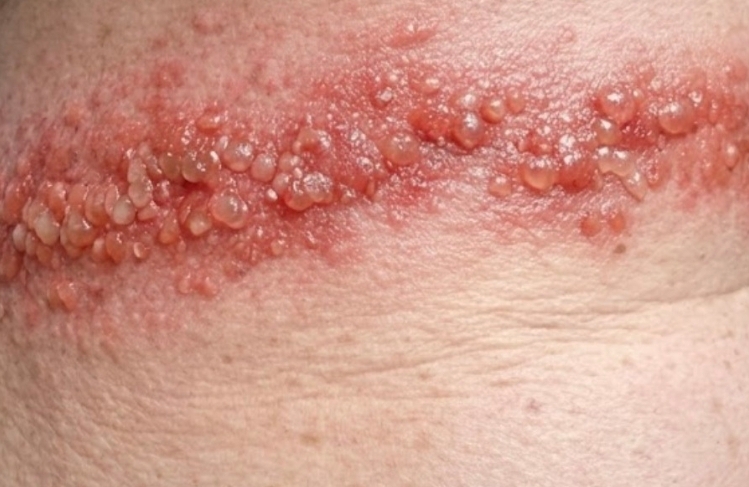
It can be incredibly distressing to see a loved one in pain, especially when faced with the daunting reality of a long wait in the emergency room. When a family member, like Mom, experiences a severe rash accompanied by burning pain, it’s natural to feel anxious and unsure of how to proceed. Understanding the condition, potential risks, and immediate relief options can help manage the situation before professional medical care is available.
This article aims to guide you in recognizing the symptoms, providing temporary relief, and making informed decisions about when to seek immediate medical attention. By understanding the nature of this condition and the available options, you can feel better prepared to support your loved one during this difficult time.
. First: Recognize that this looks like shingles—and why it hurts so much. Shingles, also known as herpes zoster, is caused by the reactivation of the varicella-zoster virus, the same virus that causes chickenpox. After a person recovers from chickenpox, the virus remains dormant in nerve tissue and can reactivate years later as shingles. The most characteristic sign is a painful rash that usually appears as a band of blisters on one side of the body, often encircling the torso.
The pain associated with shingles is due to inflammation of the nerves caused by the virus. This can produce a burning, stabbing, or shooting pain that can be debilitating. The intensity of the pain is one of the most difficult aspects of shingles and can persist even after the rash has healed, a condition known as postherpetic neuralgia.
2. Warning Signs: When It Becomes an Emergency and Not Just a Wait in the ER
Although shingles can usually be managed with outpatient care, certain symptoms can indicate a more serious complication that requires immediate medical attention. If Mom develops a rash near her eyes, this could cause eye damage and vision loss if not treated quickly. If she develops difficulty breathing, dizziness, confusion, or a severe headache, these could be signs of more serious complications such as a stroke or encephalitis.
In these cases, calling 911 or seeking immediate emergency care is crucial. Additionally, if Mom has a weakened immune system due to conditions such as HIV, cancer, or immunosuppressant medications, she may be at higher risk for serious complications and should be evaluated by a healthcare professional without delay.
3. How dangerous is it to wait eight hours in the ER with shingles?
In most cases of shingles, waiting eight hours in the ER, while uncomfortable, is not dangerous. The main concern is managing the pain and preventing complications. However, if Mom has severe pain that can’t be controlled with over-the-counter medications, or if signs of complications like those mentioned earlier appear, it’s important to insist on faster care.
In the meantime, making her as comfortable as possible and closely monitoring her symptoms can help manage the situation until she can see a medical professional.
4. Over-the-counter pain relievers you can use right now
To help relieve the severe pain associated with shingles, over-the-counter pain relievers such as acetaminophen (paracetamol) or ibuprofen can be used. These medications can help reduce inflammation and pain, making the situation more bearable until medical treatment is available. Be sure to carefully follow the dosage instructions and consult a pharmacist if you have any questions about interactions or contraindications.
Topical treatments, such as calamine lotion or lidocaine patches, can also offer temporary relief from the itching and burning sensation. However, it’s important to apply these products carefully to avoid further irritating the sensitive skin around the rash.
5. Cold, Covering, and Clothing Tricks to Relieve the Burning Sensation
Applying cool, damp compresses to the affected area can help soothe the burning and itching. You can use a clean cloth soaked in cool water and lightly wrung out, applying it to the rash for 15 to 20 minutes at a time. This can be repeated several times a day as needed.
Wearing loose, breathable clothing made of soft fabrics can prevent irritation and help keep the area cool. Avoid tight clothing that rubs against the rash and consider using lightweight cotton sheets for added comfort while resting.
6. What to avoid: touching, popping, or putting anything on the blisters
It is essential not to touch or scratch the blisters, as this can cause infection or scarring. Popping them is also discouraged because it increases the risk of bacterial infection and can delay healing.
Avoid using harsh soaps, fragranced lotions, or alcohol-based products on the rash, as these can further irritate the skin. It is best to use mild, fragrance-free cleansers and gentle moisturizers to care for the affected area.
7. How contagious is it, Mom? How to protect babies, pregnant women, and immunocompromised individuals
Shingles itself is not contagious, but the varicella-zoster virus can be transmitted from a person with active shingles to others.